
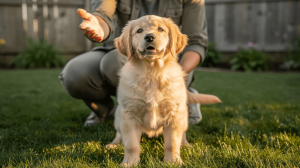
How long does it take to train a puppy? A puppy may begin learning simple cues and household routines within days or weeks, but dependable behavior usually develops over several months. Training also continues as the puppy matures and encounters new environments and distractions.
The answer depends largely on what you mean by “trained.” House training, crate training, leash manners, recall, basic obedience, and calm behavior around distractions all develop at different rates.
Professional training can provide structure, instruction, and a clearer progression, but no training format can guarantee a specific completion date or permanent reliability. Your puppy’s age, temperament, health, previous experiences, home environment, and daily practice all influence progress.
This guide focuses on everyday family puppies and the foundational skills most owners need. Serious behavior concerns, including aggression or intense fear, require an individual assessment and may follow a different training plan.
What Does a Trained Puppy Look Like?
The word “trained” can describe several different levels of progress.
For one household, a trained puppy may sleep quietly in a crate, follow a predictable bathroom routine, and understand basic household rules. Another owner may expect reliable responses to Come, Sit, Down, Place, and Heel. Someone planning outdoor activities may want dependable recall and advanced control around dogs, wildlife, people, and traffic.
A puppy may understand a cue in a quiet room long before it responds in a busy public setting. Learning the behavior is only the first stage. The puppy must also practice it at different distances, for longer durations, and around gradually increasing distractions.
Defining what “trained” means for your household helps you set useful milestones without expecting every skill to become dependable at the same time.
Puppy Training Stages by Age
Puppies pass through developmental stages that influence attention, confidence, bathroom needs, and impulse control.
8 to 12 Weeks
Many puppies join their new homes during this stage. Attention spans are short, bathroom breaks must be frequent, and training should remain brief and positive.
Appropriate early priorities include:
- Name recognition
- Following a person for food or praise
- Simple cues such as Sit and Come
- Crate introduction
- Gentle handling
- A consistent bathroom routine
- Safe exposure to people, sounds, surfaces, and environments
- Learning to settle after play
Training can begin as soon as a puppy comes home. The goal at this stage is not perfect obedience. It is to build routines, confidence, and positive associations with learning.
3 to 6 Months
Puppies generally become more physically capable and attentive during this period, but teething, excitement, and growing independence can create new challenges.
Owners can continue building:
- House-training reliability
- Calm crate behavior
- Leash introduction and loose-leash walking
- Come, Sit, Down, and Place
- Short stays
- Polite greetings
- Handling and grooming cooperation
- Recall on a leash or long line
- Calm responses around manageable distractions
Socialization should remain safe and positive. It involves more than meeting other dogs. Puppies should gradually experience different people, surfaces, sounds, vehicles, environments, and routine handling without being overwhelmed. Ask your veterinarian which public activities are appropriate based on your puppy’s health and vaccination status.
6 to 12 Months
Adolescence often brings stronger impulses and greater interest in the surrounding environment. A puppy that responded well in the kitchen may appear to forget the same cue outdoors.
This does not necessarily mean that previous training failed. It usually means the behavior needs more practice around distractions.
Training during adolescence commonly focuses on:
- Longer duration and greater distance
- Reliable leash manners
- Recall around controlled distractions
- Holding positions until released
- Calm behavior around visitors
- Door and meal manners
- Generalizing commands across environments
- Building safe, age-appropriate off-leash skills where legally permitted
Training should continue into adulthood because behavior changes as the dog matures and encounters new situations.
How Long Do Different Puppy Skills Take?
House Training
House training should begin as soon as the puppy arrives home. Some puppies show noticeable improvement within the first few weeks, while full reliability may take several months.
Progress depends on:
- The puppy’s age and physical development
- How often bathroom breaks are provided
- The consistency of meals and sleep
- The owner’s ability to supervise
- Previous housing and training experiences
- Health conditions that affect elimination
Take young puppies outside after waking, eating, drinking, active play, and before confinement. Reward outdoor elimination promptly. Accidents should be cleaned thoroughly without frightening or punishing the puppy.
The UC Davis house-training guide provides additional veterinary guidance.
A puppy that suddenly regresses, urinates unusually often, strains, or shows other physical symptoms should be evaluated by a veterinarian.
Crate Training
Crate training can also begin when the puppy comes home. Some puppies settle quickly, while others need a slower introduction.
Introduce the crate with food, treats, toys when appropriate, and short periods with the door closed. Increase the duration only while the puppy remains comfortable.
Appropriate crate time depends on age, bathroom needs, health, previous crate experience, and whether the puppy is awake or sleeping. A crate should not replace bathroom breaks, exercise, interaction, training, or supervision.
If the puppy shows persistent panic, tries to injure itself, drools heavily, or cannot recover after the owner leaves, consult a veterinarian or qualified behavior professional instead of simply extending the confinement period.
Basic Obedience
Puppies can begin learning simple cues within their first days at home. They may recognize Sit, Come, or their name after several short sessions, but recognition is not the same as reliability.
Basic skills commonly include:
- Come
- Sit
- Down
- Place
- Heel or loose-leash walking
- Off
- Waiting at doors
- Calm greetings
- Settling around food
Short sessions usually work better than long drills. Practice one or two skills at a time, reward correct responses, and stop before the puppy becomes tired or frustrated.
Reliability develops as the owner gradually changes the environment, distance, duration, and level of distraction.
Leash Manners
Loose-leash walking often takes longer than teaching a stationary cue because the puppy must pay attention while moving through an interesting environment.
Begin in a quiet indoor area or yard. Reward the puppy for remaining near you and keeping slack in the leash. Progress to calm outdoor locations before attempting busy sidewalks, trails, or public spaces.
Expect temporary setbacks when the environment becomes more exciting. Reduce the difficulty rather than assuming the puppy is being deliberately disobedient.
Recall and Off-Leash Reliability
Recall is a safety skill that requires extensive practice. Start indoors or in a fenced area, then progress to a long line outdoors.
Reward the puppy for returning and avoid using the recall cue immediately before something the puppy dislikes whenever possible. Practice around manageable distractions and increase difficulty gradually.
A puppy that comes reliably inside may not be ready for unrestricted off-leash activity. Wildlife, traffic, unfamiliar dogs, and new environments can change the dog’s response.
Off-leash activity should occur only where it is safe and legally allowed. Until recall is dependable, use a leash, long line, or secure fenced area.
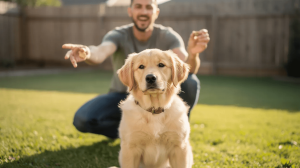
How to Build a Practical Puppy Training Schedule
A productive training plan does not require one long daily session. Puppies often learn better through several brief interactions incorporated into everyday routines.
A simple daily structure may include:
- A short name-recognition or recall exercise before breakfast
- Sit or Place before opening a door
- Brief leash practice in a quiet location
- Crate practice with a meal or appropriate food toy
- Handling practice involving paws, ears, collar, and grooming tools
- A few recall repetitions on a leash or long line
- Calm settling after play
Training can also happen during ordinary activities. Ask for Sit before placing down a meal, reward four paws on the floor during greetings, and practice waiting briefly before going through a doorway.
Keep sessions short enough that the puppy remains engaged. The appropriate duration varies, so watch the puppy rather than relying on a fixed number of minutes.
Why Puppy Training Sometimes Takes Longer
Inconsistent Rules
If one person allows jumping and another discourages it, the puppy receives conflicting information. The same problem occurs when family members use different words for the same behavior.
Create a shared list of cues and household rules. Decide who handles meals, bathroom breaks, crate routines, and formal practice.
Increasing Difficulty Too Quickly
A puppy that responds at home may struggle in a park because the distractions are much stronger. Return to an easier environment, shorten the distance, or use a higher-value reward.
Progress should be gradual enough that the puppy can continue succeeding.
Too Little Real-World Practice
Dogs do not automatically apply a behavior learned in one room to every other location. Practice in several safe settings while controlling distance and distraction.
This process helps the puppy understand that a cue has the same meaning in the kitchen, yard, neighborhood, and other appropriate environments.
Inadequate Rest
Overtired puppies may become mouthy, restless, unfocused, or unusually active. Puppies need substantial sleep and quiet time in addition to training, exercise, and social exposure.
Medical or Behavioral Concerns
Pain, digestive problems, urinary conditions, fear, and anxiety can interfere with training. Consult a veterinarian when behavior changes suddenly or when house-training problems, distress, or handling sensitivity persist.
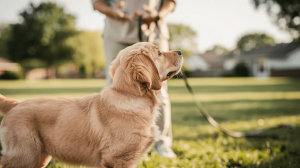
DIY Training, Private Lessons, or Board & Train?
The best format depends on the puppy, the owner’s experience, the desired skills, and the amount of daily involvement available.
DIY Training
DIY training gives owners complete control over scheduling and practice. It works best when the owner has a clear plan, uses consistent methods, and knows how to adjust when progress stalls.
Private Lessons
Private dog training gives owners direct coaching while allowing them to perform the daily practice themselves. This format can help correct timing, leash handling, cue delivery, and progression.
Puppy Training Programs
Professional puppy training programs may provide early guidance on basic cues, confidence building, socialization, house-training routines, crate training, and owner questions. Exact inclusions and age requirements depend on the program.
Board & Train
Board & Train programs provide immersive professional training for a stated period, followed by owner instruction.
Enrollment does not guarantee that every dog will achieve the same result or be ready for unrestricted off-leash activity. Program eligibility, training goals, and behavior history should be discussed before enrollment. Continued owner practice remains necessary after the dog returns home.
Colorado owners can review the current program options before selecting a format.
When to Ask for Professional Help
Consider contacting a professional if:
- House training is not improving despite consistent supervision
- The puppy panics when confined or left alone
- Biting or mouthing is becoming difficult to manage safely
- The puppy shows intense fear around people, dogs, objects, or environments
- Guarding, growling, snapping, or biting occurs
- Leash pulling or reactivity creates a safety concern
- Family members cannot maintain a consistent plan
- You are unsure how to increase difficulty without overwhelming the puppy
Seeking guidance early can help owners establish consistent routines and address problems before they become more practiced. It does not guarantee a particular training timeline.
How Long Does It Take to Train a Puppy?
Training a puppy is an ongoing process rather than a project with one universal completion date.
Many puppies begin understanding household routines and simple cues during their first weeks at home. Dependable responses around distractions take longer. House training, leash skills, recall, impulse control, and calm behavior also develop at different rates.
The most reliable way to make progress is to:
- Define the behaviors your household needs
- Practice consistently
- Keep early sessions short
- Increase distractions gradually
- Reward desired behavior clearly
- Provide adequate rest
- Involve the entire household
- Seek veterinary or professional guidance when progress stalls
A puppy does not need to be perfect to be making meaningful progress. Look for steady improvement in understanding, confidence, recovery, and responsiveness.
Frequently Asked Questions
How long does it take to house-train a puppy?
Some puppies improve significantly within several weeks, but reliable house training may take several months. Age, physical development, supervision, routine, previous experience, and health all affect progress. Continue providing frequent bathroom breaks and rewarding outdoor elimination.
How long should puppy training sessions be?
Keep sessions brief enough that the puppy remains attentive and interested. Very young puppies may benefit from only a few repetitions at a time. Several short sessions incorporated into daily routines are generally more manageable than one long session.
What should I teach my puppy first?
Begin with name recognition, attention, Come, Sit, a bathroom routine, crate introduction, gentle handling, and calm behavior around food and doors. Safe socialization and confidence building are also important during early development.
At what age should puppy training begin?
Training can begin when the puppy arrives home, often around eight weeks of age. Early instruction should be simple, positive, and appropriate for the puppy’s developmental stage.
When is a puppy fully trained?
There is no universal age at which every puppy becomes fully trained. Dogs continue learning throughout their lives. Owners should evaluate individual skills, including house training, leash manners, recall, settling, and behavior around distractions.
Can Board & Train finish my puppy’s training?
Board & Train can provide concentrated professional instruction, but it does not eliminate the need for owner education and continued practice. Results and eligibility vary by dog and program, and no program can guarantee permanent behavior without follow-through.
Ready to Discuss Your Dog’s Training?
Start by defining what you want your puppy to do reliably at home, on walks, and around other people or animals. Choose a small number of priorities and build them gradually.
For guidance based on your puppy’s age, behavior, and training goals, contact the Off Leash K9 Training Colorado team to request a free consultation.